
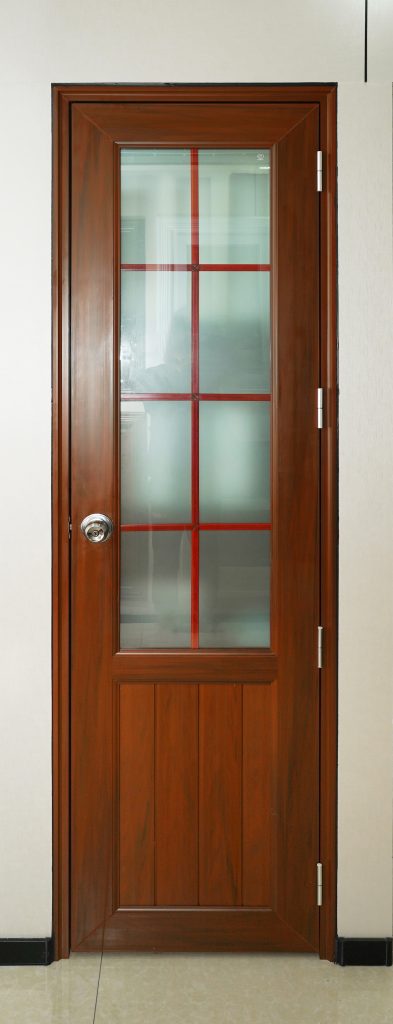
upvc-door
An UPVC door uses unplasticized polyvinyl chloride for its frame and structural components.
This material offers strength, stability, and resistance to moisture.
Manufacturers can combine UPVC frames with different glass and hardware options.
Therefore, buyers can create doors for various architectural requirements.
UPVC doors suit homes, apartments, offices, hotels, and commercial buildings.
They also support many styles, including sliding, casement, and French designs.
Why Choose an UPVC Door?
Excellent Weather Resistance
UPVC resists moisture, corrosion, and everyday weather exposure.
As a result, it performs well in humid and rainy environments.
Unlike timber, the material does not rot or absorb water easily.
Properly designed systems also provide effective protection against wind and rain.
Good Thermal Insulation
UPVC frames naturally provide useful thermal insulation.
Multi-chamber designs can further reduce heat transfer through the frame.
When combined with suitable glazing, the complete door system can improve indoor comfort.
Consequently, buildings may require less heating or cooling.
Low Maintenance
UPVC doors require relatively little routine maintenance.
The surface does not require regular painting or polishing.
Usually, users only need a soft cloth and mild cleaning solution.
This simple maintenance makes the material attractive for busy properties.
Reliable Security
A well-designed UPVC door can accommodate modern locking hardware.
Steel reinforcement can also improve structural stability when the application requires it.
Multi-point locking systems provide additional security around the door frame.
However, overall security depends on the complete door system and installation.
Popular UPVC Door Styles
Sliding Doors
Sliding systems move horizontally along dedicated tracks.
They work especially well where users want to save interior space.
Large glass areas can also bring more daylight into living spaces.
Therefore, sliding designs suit balconies, patios, and modern residential projects.
Casement Doors
Casement designs use hinges for opening and closing.
They provide a familiar appearance and can deliver strong sealing performance.
These doors work well for balconies, entrances, and other residential applications.
French Doors
French doors feature two opening panels and often include large glass areas.
They create a classic appearance while connecting indoor and outdoor spaces.
Homeowners often choose them for living rooms, gardens, balconies, and terraces.
Folding Doors
Folding systems use multiple panels that move together when opened.
They can create a wide opening for larger architectural spaces.
This design suits modern villas, commercial buildings, and hospitality projects.
UPVC Door Applications
UPVC doors can support many different building requirements.
- Residential houses and villas
- Apartments and condominiums
- Hotels and resorts
- Offices and commercial buildings
- Schools and public buildings
- Balconies and patio areas
- Interior and exterior applications
The correct profile, glass, hardware, and reinforcement should match the project requirements.
Customization for Different Markets
Manufacturers can customize UPVC door systems for different customers and projects.
Options may include profile dimensions, chamber structures, colors, and surface finishes.
Woodgrain finishes can create a traditional appearance.
Meanwhile, white, grey, and darker finishes suit contemporary architecture.
Customers can also select different glass configurations and hardware systems.
OEM services can support brands that require customized profiles or packaging.
How to Choose the Right UPVC Door
First, consider the installation location and local climate.
Next, select a suitable opening style for the available space.
Then, evaluate the profile structure, glazing, seals, reinforcement, and hardware.
Finally, confirm that the complete system meets applicable local requirements.
A reliable manufacturer should provide clear specifications and consistent production quality.
Sample testing can also help buyers evaluate appearance, operation, and compatibility.
Conclusion
An UPVC door combines practical performance with flexible design options.
It offers weather resistance, thermal insulation, security options, and simple maintenance.
For homeowners, builders, wholesalers, and project contractors, UPVC provides a versatile solution.
With suitable profiles and components, it can meet diverse residential and commercial requirements.
Choose the right UPVC door system to create a more comfortable, durable, and attractive space.